The Affordability Crisis, and the candidates fighting for Minnesota families

People across the country are feeling the impact of relentless rising prices.
Groceries, gas, and health insurance all cost more than they did last year. The reasons trace back to decisions made by partisan leaders in Washington: a trade war, an actual war, and a push to cut Medicaid.
Minnesota families are being hit just as hard as folks in other states, despite years of state-level work to hold costs down: a nation-leading child tax credit, free school meals, and paid family leave. The Trump administration and the Republicans who support him in lock-step are undercutting that work.
How the affordability crisis is hurting Minnesota families
Minnesota families aren't imagining the squeeze. According to North Star Policy Action's 2026 affordability analysis, the cost of living for a typical Minnesota family rose 6.1% in 2025, and costs outpaced wage growth badly enough that the median family's purchasing power dropped by $1,410 over the year. That's money that used to cover groceries, gas, or a kid's winter boots.
Gas prices
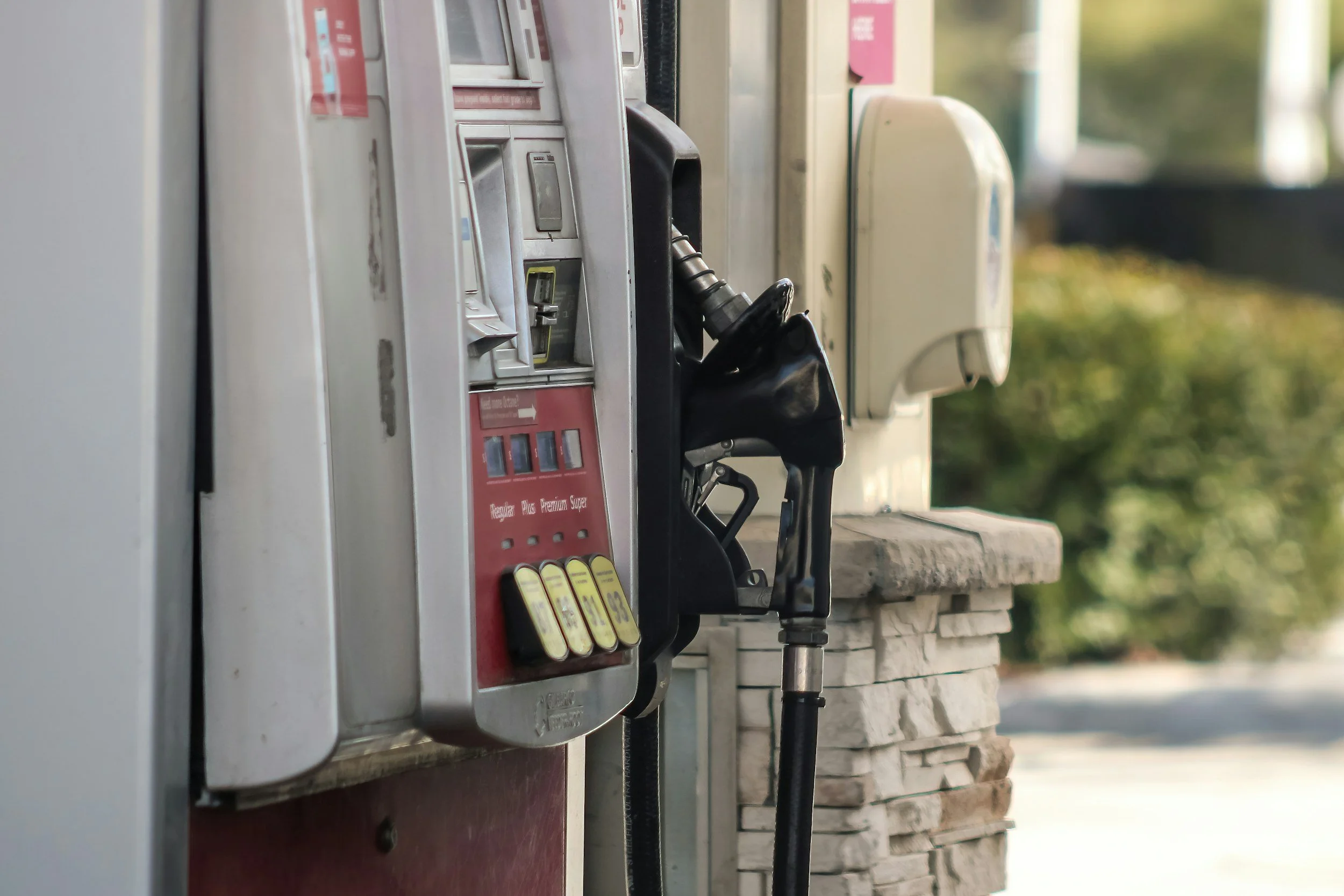
According to that same report, gas prices in Minnesota have risen 48% since the start of the Iran war, adding nearly $2,000 to the average household's expected 2026 spending.
Health care
Costs grew 25.7% in 2025, and Minnesota's uninsured rate jumped from a historic low of 3.8% in 2023 to 5.8% in 2025. This represents roughly 116,000 more Minnesotans without coverage. Medicaid cuts championed by the Trump administration are projected to push another 180,000 Minnesotans off their insurance over the next decade. That pushes roughly $1 billion more in uncompensated care onto Minnesota hospitals every year, and those costs eventually land back on patients and premiums.
As House Majority Whip, Rep. Tom Emmer played an instrumental role in the passage of the One Big Beautiful Bill (HR1) that kicked so many people off Medicaid and destabilized hospitals across the state.
Wages
Minnesota's own data, tracked by the bipartisan State of the Nation Project, shows wage growth consistently trailing productivity growth, with the difference increasingly going to executive compensation instead of paychecks.
Tariff policy, an unresolved war, and federal health care cuts drove all of these costs up.
What the DFL's platform delivers for families, jobs, and economy
Recent DFL majorities in the Minnesota Legislature have already turned pieces of this platform into law, as DFL.org's rundown of legislative results lays out.
Since taking on health care, housing, and paycheck costs as a priority, DFL lawmakers have delivered:
A child tax credit that Minnesota now leads the nation in, returning an average of $2,400 to working families and reaching more than 400,000 kids.
Free breakfast and lunch for public school students has saved families an average of $1,000 per student per year.
Paid family and medical leave that covers up to 12 weeks to care for a new baby or a sick family member without losing a paycheck in the process.
Minnesota built these programs before Congress passed the One Big Beautiful Bill Act on July 4, 2025, which cuts more than $186 billion from SNAP and over $1 trillion from Medicaid over the next decade, shifting more of those costs onto states. State officials project the SNAP cuts alone will cost Minnesota taxpayers at least $97 million more a year, on top of a $39 million annual cut to the funding that administers the program.
Minnesota's own Medicaid director has warned of a $500 million annual cut in federal funding, and the state estimates between 152,000 and 253,000 Minnesotans could lose health coverage as a result. The child tax credit, free school meals, and paid leave described above were built by a state government responding to what Minnesotans needed. What Minnesota needs now is a federal government that backs that work instead of pulling the funding out from under it.
What our DFL candidates plan to do about lowering costs and helping families
Aric Putnam, SD14's state senator, sits on the Senate's Jobs and Economic Growth Finance and Policy Committee and authored a package of bills (SF 1610, SF 1611, and SF 1612) aimed specifically at Greater Minnesota's childcare shortage: funding childcare facilities, supporting new providers, and helping existing centers expand.
Abdi Daisane, running for House District 14A, has spent more than seven years running a childcare business himself and now consults for the Initiative Foundation, helping other small businesses get off the ground. He testified in support of Putnam's childcare bills before he was a candidate.
Zachary Dorholt, running for House District 14B, is a small business owner and mental health professional whose platform is built around easing everyday costs and helping working families keep more of what they earn.
Doug Chapin, challenging Rep. Tom Emmer in CD6, has built his campaign around three issues: economic opportunity, health care access, and government accountability.
Peggy Flanagan, the DFL nominee for U.S. Senate, has centered her campaign priorities on a fair economy where a single good job covers the bills, backed by an expanded Child Tax Credit and universal childcare.
Amy Klobuchar, the DFL nominee for governor, has built her gubernatorial platform around lowering the same costs this post covers directly: housing, childcare, health care, prescription drugs, and utility bills.

What's at stake for SD14 this November
The choice in November is between a federal government still driving those costs up, and DFL candidates from the State House to the U.S. Senate who've already delivered real relief and are running to do more.
See where each SD14 candidate stands on jobs and the economy, and how to get involved with their campaigns.