What is the DFL? Learn About the Democratic Party in Minnesota
Even if you’re a life-long Minnesotan, you may not know the full story about why the Minnesota Democratic party is called the DFL – or what it stands for.
Let’s dig into what DFL stands for and how this party came into being.
What does DFL stand for in Minnesota politics?
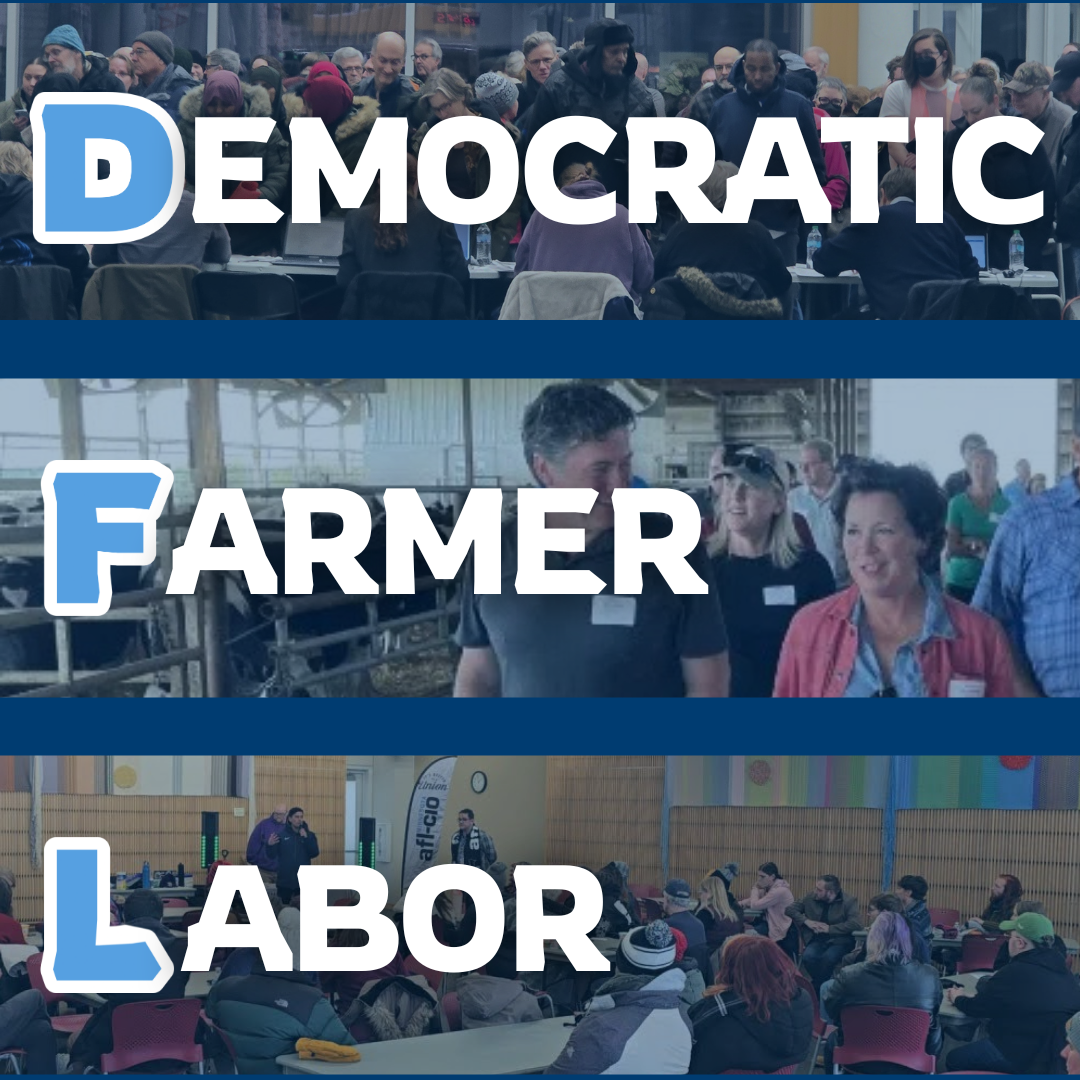
DFL stands for Democratic-Farmer-Labor. Minnesota's Democratic party is formally called the Democratic-Farmer-Labor Party, a name that reflects the 1944 merger of two separate political parties: the Minnesota Democratic Party and the Farmer-Labor Party. In state and local races, candidates appear on the ballot under the Democratic-Farmer-Labor label rather than simply "Democrat."
What is the history of the Democratic-Farmer-Labor party?
The DFL was formed in 1944 through a merger of two separate political parties: the Minnesota Democratic Party and the Farmer-Labor Party.
The Farmer-Labor Party had been a major force in Minnesota politics since the 1920s. It grew out of a coalition of industrial workers and rural farmers who believed the major parties weren't representing their economic interests. At its peak, the Farmer-Labor Party elected governors, U.S. senators, and members of Congress.
The merger with the Minnesota Democratic party brought the two parties together under one banner: Democratic-Farmer-Labor.
What does the DFL look like today?
The DFL is a federated party, which means it's organized from the ground up through a series of geographic units.
Precincts are the smallest unit, organizing neighborhood-level areas tied to your polling place.
Senate districts are the next level up. Minnesota has 67 senate districts, each with its own DFL organization responsible for candidate support, voter outreach, and local party activity. SD14 DFL is one of them.
Congressional districts sit above senate districts, covering larger regional areas.
The state party (Minnesota DFL) coordinates statewide strategy, manages the party platform, and supports candidates up and down the ballot.
Each level elects its own officers and operates with a degree of autonomy, but they work together during election cycles and through the convention process.
Why does "Farmer-Labor" still matter?
While Minnesota's economy looks different than it did in 1944, the coalition the name describes is still the base the party is built on. Farmers and laborers will always need strong representation at all levels of government. The name is a reminder of where the party came from and who it was built to represent.
Keep up with daily dispatches from the state DFL