What do you need from your elected officials?
A guide to choosing your candidates
The following sets of questions will help you identify your own priorities, so you walk into the voting booth knowing what you're voting for.
Your November 3 ballot covers elections from U.S. Senate and governor down to judges, county offices, and school board. In-person absentee voting has been open since September 18, and Early Voting begins October 16, so many Minnesotans will make these decisions over the next few weeks.
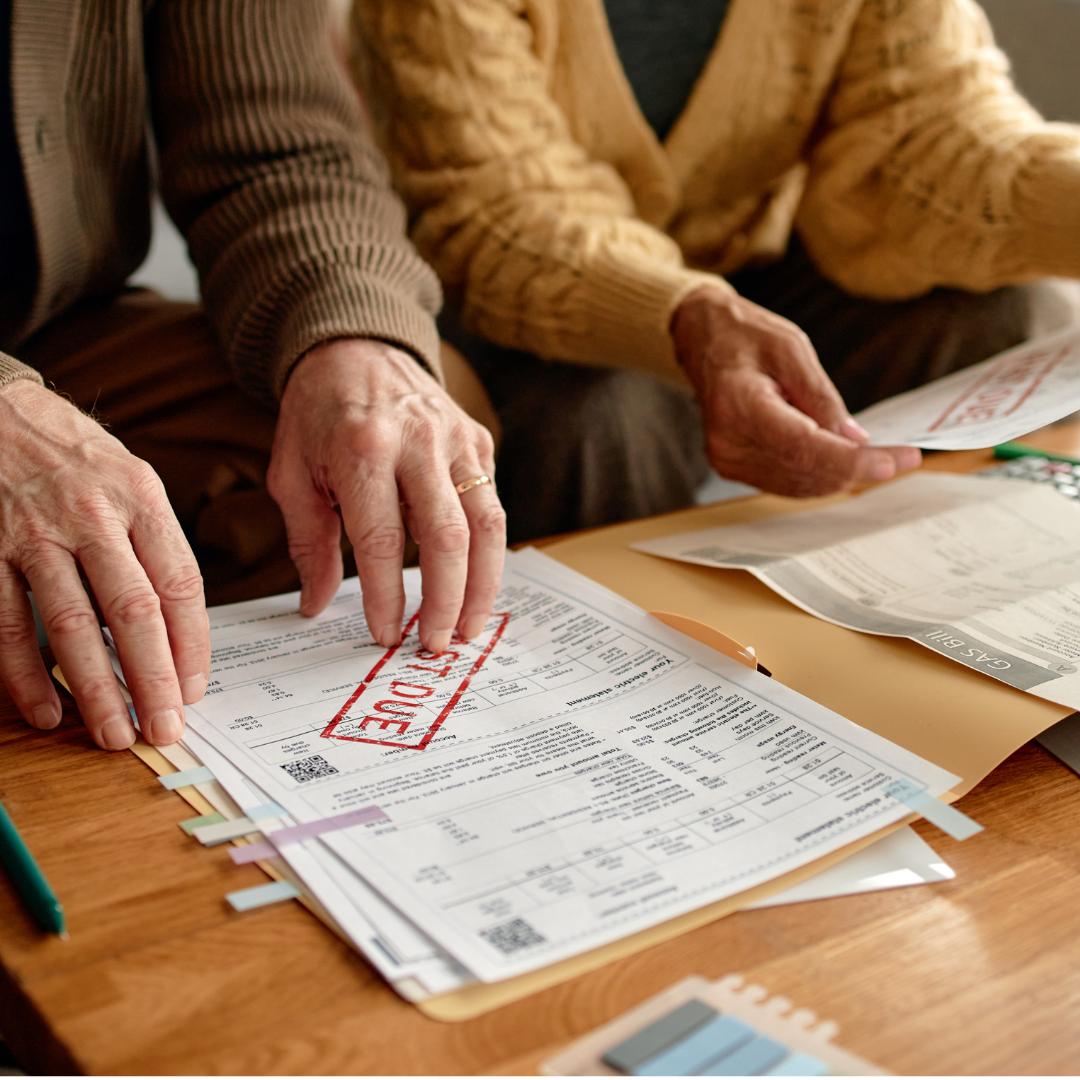
The simplest way to decide who to vote for starts in your own home: the bills that are causing you stress, your drive to work, and access to medical care. Once you know what you need from the people you elect, researching the candidates on your ballot goes faster.
Grab a pen as you read and jot down your first responses to these questions, since those are usually your priorities.
How to decide who to vote for: start with your own life
State and federal decisions affect most households through four parts of daily life. Each part below has a few questions for you to consider.
Your household budget
Housing, health insurance, childcare, and groceries take the biggest bites out of most Minnesota paychecks.
Which bill has gone up the most for you in the past two years?
If you have a child under five, what does childcare cost you, and could you find an open spot?
What would you do with an extra $200 a month?
Your job
Lawmakers at the State Capitol write many of the rules on wages, sick time, and family leave.
Has your pay kept up with your basic expenses?
If you got sick, could you stay home without losing a day's pay?
If you had a baby or needed to care for a parent, could you take time off and keep your job?
Your family's health
Health care decisions happen at every level of government, from Medicaid funding in Congress to clinic access in Greater Minnesota.
Can you see a doctor close to home, and can you afford the visit?
Do your prescriptions cost more than they did a year ago?
Who do you want making decisions about your pregnancy, birth control, or end-of-life care?
Are you caring for an aging parent or a family member with a disability?
Your kids and their schools
School decisions affect you whether you have kids in school, have grandkids, or pay property taxes.
What do your kids' teachers say they need?
Does school lunch help your family's budget?
Can your kids get mental health support at school if they need it?
Questions about your community in central Minnesota
City councils, county boards, and school boards make many of the decisions that shape your town, and those races appear on your ballot alongside the statewide ones.
Which roads do you avoid because of their condition?
Is the lake you fish in, or the well you drink from, as clean as you want it to be?
Can a young person who grew up in St. Cloud, Sauk Rapids, Waite Park, St. Joseph, or St. Augusta afford to rent or buy a home here?
How far is the nearest emergency room from your house?
Questions about how you want elected officials to act
A candidate's positions tell you what they want to do in office, and these questions help you judge how they'll treat you while they do it. They carry extra weight in races for judge and school board, where candidates run without a party label.
Does this candidate answer questions from voters at forums, town halls, and debates?
When they've voted on something, do they explain why?
Can you find out who funds their campaign through the Minnesota Campaign Finance Board or the Federal Election Commission?
Will they accept the results of an election, including one they lose?
Do they talk about people who disagree with them as neighbors or as enemies?
Questions that separate your priorities from campaign noise
During campaign season, your mailbox and your feed fill with issues someone else picked for you, and the people paying for those ads often pick the ones most likely to make you angry. That anger can pull your attention away from the costs you wrote down at the start of this list.
Where did I first hear about this issue: in my own life, or in an ad, a mailer, or a social media post?
Has this issue changed anything about my week, my paycheck, or my family's safety?
When an ad tells me to be angry at a group of my neighbors, what is the person who paid for it trying to get me to do?
When a candidate's campaign centers on limiting the rights of a minority group of our neighbors, who else might they strip rights from if they gain power?
Is this candidate talking about the issues that directly impact me, and offering practical solutions?
As of late September, Republican candidates and groups had run 82 broadcast TV ads in U.S. House and Senate races mentioning transgender issues, and PolitiFact found some of them misleading. Our guide to spotting misleading political ads walks through how to trace who paid for an ad.
How to use your answers to choose candidates on your Minnesota ballot
Look back over what you wrote and circle the three answers that came fastest or felt the strongest. Those are your priorities for this election, and four steps get you from there to a decision:
Pull up your sample ballot with the Minnesota Secretary of State's What's on My Ballot tool, which lists every race and ballot question for your address.
For each race, find where the candidates stand on your top three priorities using their websites, voting records, and local news coverage.
For judges and other nonpartisan races, lean on the questions about how candidates act.
Mark your choices on the sample ballot.
Bring your notes with you
Minnesota voters can bring notes, including notes on a phone, or a sample ballot into the voting booth.
Where SD14's DFL-endorsed candidates stand on real issues
If your list landed on housing, childcare, health care, or wages, here is where the DFL-endorsed candidates on SD14 ballots have focused their work.
Aric Putnam, SD14's state senator, authored SF 1610, SF 1611, and SF 1612 to fund new childcare facilities and providers in Greater Minnesota.
Abdi Daisane, running for House District 14A, has run a childcare business for more than seven years and testified for Putnam's childcare bills before he became a candidate.
Zachary Dorholt, running for House District 14B, is a small business owner and mental health professional whose platform focuses on easing everyday costs for working families.
Amy Klobuchar, the DFL nominee for governor, has built her platform around lowering housing, childcare, health care, prescription drug, and utility costs, along with a plan to modernize state services and root out fraud.
Peggy Flanagan, the DFL nominee for U.S. Senate, has centered her campaign on an economy where one good job covers the bills, with an expanded Child Tax Credit and universal childcare.
Doug Chapin, running in the Sixth Congressional District, has built his campaign around economic opportunity, health care access, and government accountability.
Research each SD14 DFL candidate's platform and find ways to help their campaigns.