Guide to voting in the 2026 Minnesota election on November 3
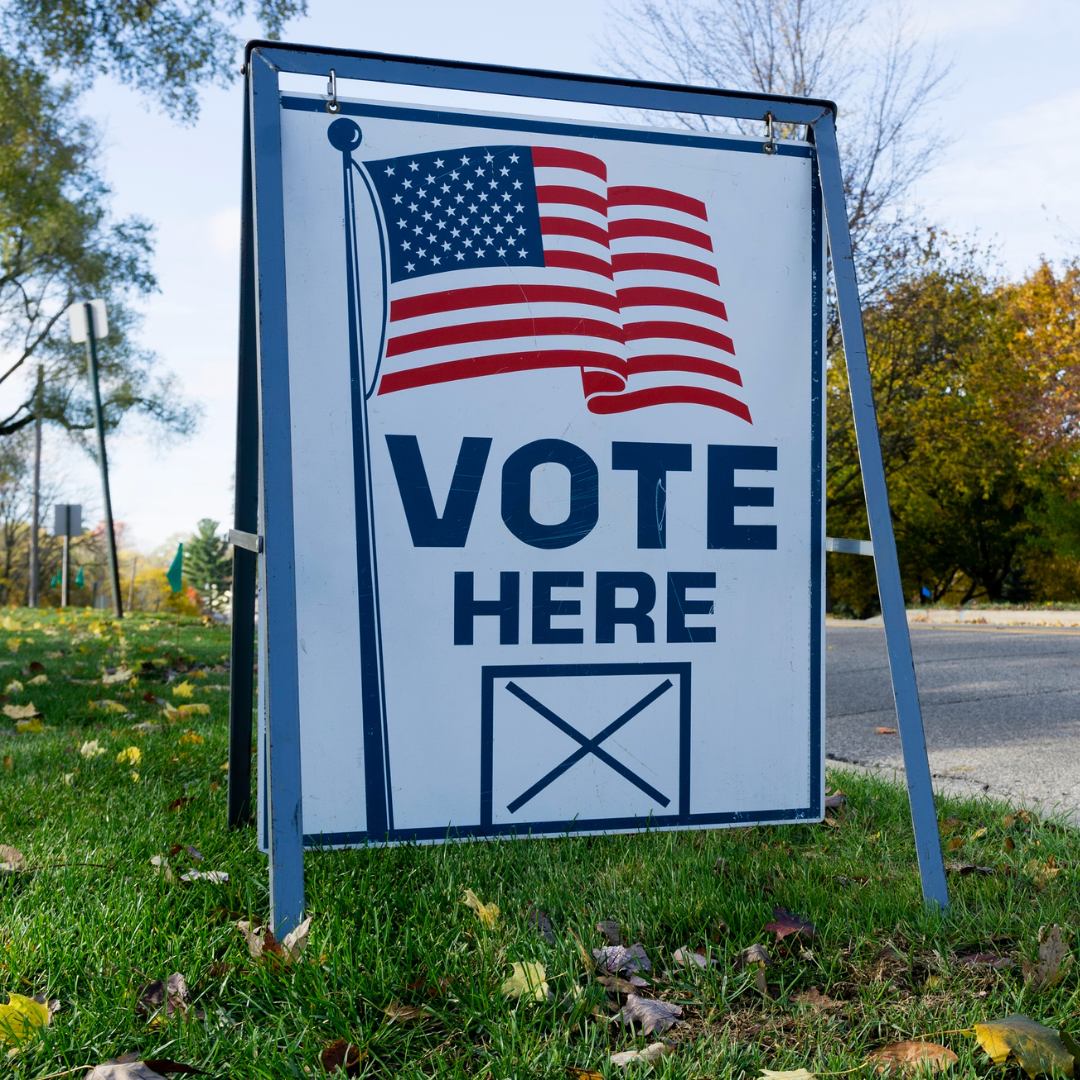
Key points to know:
Polls are open 7 a.m. to 8 p.m. on Tuesday, November 3, and anyone in line by 8 p.m. can vote.
You can register or update your address at your polling place if you bring proof of residence.
On Tuesday, November 3rd, polling places across Minnesota open for the general election. If you've already voted early, thank you! Consider passing this along to someone who hasn't. If you're planning to vote on Election Day, this week is a good time to settle where you're going, when you're going, and what's on your ballot.
Make your voting plan this week
Three things are most likely to slow you down on Tuesday: going to the wrong polling place, running short on time, and needing a document you left at home. Each one takes a few minutes to sort out this week.
Find your Minnesota polling place and preview your ballot
Enter your address in the Secretary of State's Polling Place Finder. It shows where you vote, which districts (state and federal) you live in, and a sample ballot listing every race and candidate. Polling places sometimes move between elections, so check even if you've voted at the same location for years.
Tip: If you print a copy of your sample ballot ahead of time, you can mark your choices at home and bring it with you to the voting booth.
Choose a time and know your rights at work
Polls are open from 7 a.m. to 8 p.m., and anyone in line by 8 p.m. can vote, even if they reach the front of the line later. Townships with fewer than 500 residents can open as late as 10 a.m., so check your polling place hours if you live outside city limits.
If you work Tuesday, Minnesota law lets you take time off to vote without losing pay. Your employer can't make you use vacation or personal time for it, though they can ask you to tell them when you'll be gone.
Register or update your address at the polls
The advance registration deadline passed on October 13, but you can still register at your polling place on Election Day. You'll need to show proof of residence. Accepted proof includes a Minnesota driver's license or ID card, a tribal ID with your address, or an approved photo ID paired with a document such as a utility or rent bill that shows where you live.
A registered voter from your precinct can also go with you and sign an oath confirming your address. If you've moved since you last voted, you'll update your registration the same way. If you haven't voted in more than four years, bring proof of residence too.
What to do with a mail ballot you haven't returned yet
If you requested an absentee ballot and it's still sitting on your kitchen table, you have two options:
Return it in person. Bring the sealed ballot to the election office that sent it by 5 p.m. on Election Day. That office's address is on your return envelope. You can also deliver ballots for up to three other voters if you show ID with your name and signature.
Vote at your polling place instead. You can vote in person rather than returning your ballot, and election officials will cancel the mail ballot. Leave the unused ballot at home, because polling places can't accept absentee ballots.
With one week left, hand delivery is the safer choice. A mailed ballot has to arrive by Election Day to count. If you've already mailed yours, you can track it at mnvotes.gov/track to confirm it was accepted. You can also still vote early in person through Monday, November 2.
How the November ballot works compared to the primary
If the August primary was the last time you voted, a few things look different on the general election ballot.
You can choose any candidate in each race. The one-party rule applied only to the primary. On the November ballot, each race lists every qualifying candidate with their party next to their name.
Every Minnesota voter will also see one proposed constitutional amendment. It asks whether to increase funding to school districts from the permanent school fund. Under the instructions printed on the ballot, leaving the amendment blank counts the same as voting no.
Tip: Take time to read the instructions on your ballot before filling it out, and make sure to check both sides of the ballot.
SD14 DFL candidates on your November 3 ballot
These are the candidates SD14 DFL is supporting this year. The federal, statewide, and State Senate races appear on every SD14 ballot. Your State House race depends on whether you live in 14A or 14B, and your city council and school board races depend on your ward and school district. Your sample ballot shows which ones apply to you.
Federal offices
Peggy Flanagan for U.S. Senate
Doug Chapin for U.S. House, 6th Congressional District
Statewide offices
Amy Klobuchar and Ben Schierer for Governor and Lieutenant Governor
Steve Simon for Secretary of State
Zack Filipovich for State Auditor
Keith Ellison for Attorney General
Minnesota Legislature
Your legislative candidates are a college professor, a childcare executive, and a mental health professional, all running to represent the St. Cloud area at the Capitol.
Aric Putnam for State Senate, District 14
Abdi Daisane for State House, District 14A
Zachary Dorholt for State House, District 14B
St. Cloud City Council
St. Cloud voters in these wards will see:
Charlie Hobbs, Ward 1
Karen Larson, Ward 2
Hudda Ibrahim, Ward 3
Joe Baratta, Ward 4
St. Cloud Area School Board
Three seats are open on the District 742 school board, and six candidates filed. You can vote for up to three:
Rob Galler
Vincent Miles
Heather Weems
Learn more about the candidates before Tuesday
Background on each candidate, along with links to their campaigns, is on our candidates page. If you'd like to help neighbors get to the polls this week, sign up to volunteer or find a shift on our events calendar.