How candidates get endorsed by the Minnesota DFL
When you tell someone they should try a restaurant you love, or listen to a new song you can't stop playing, that's an endorsement.
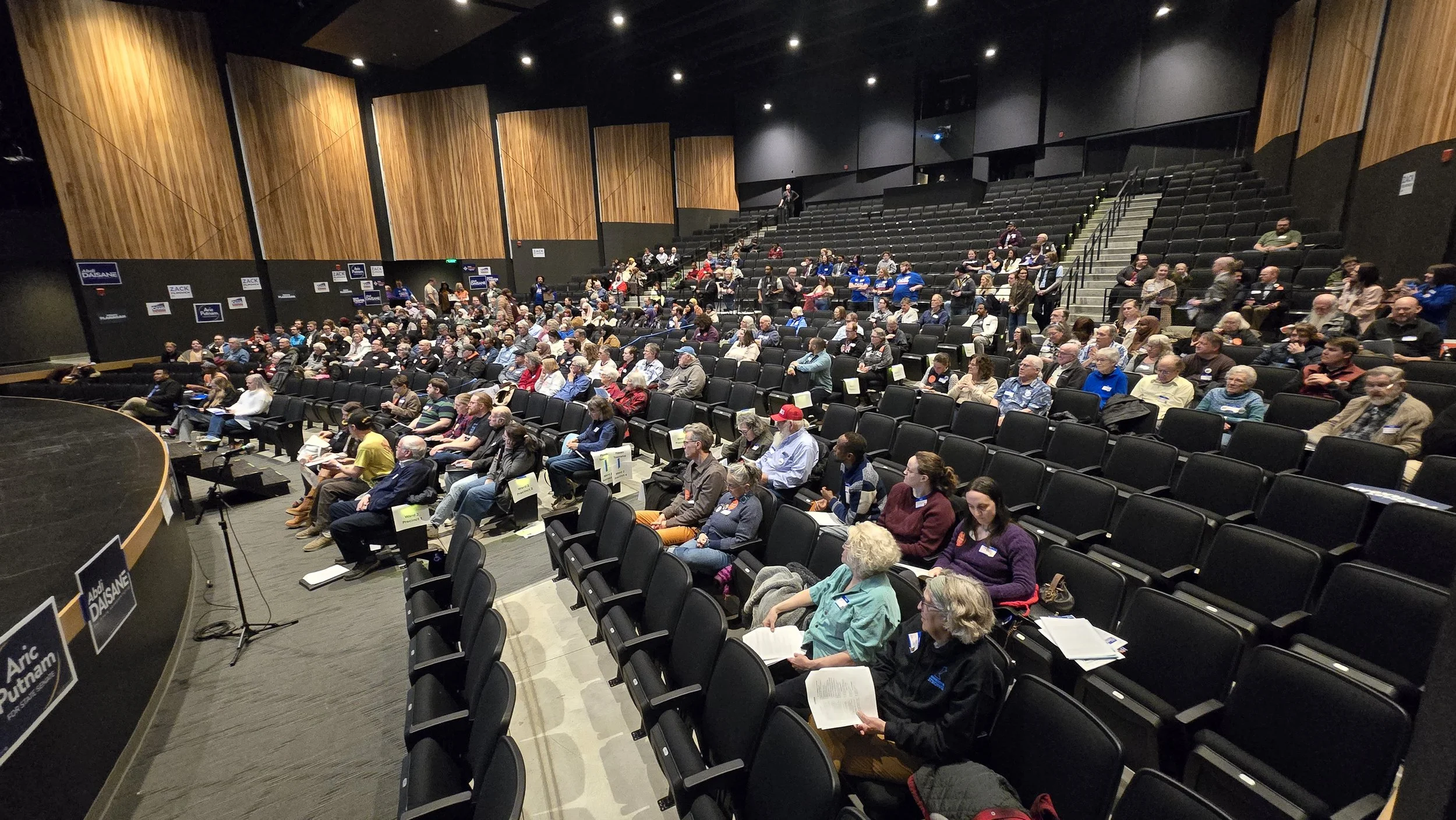
Our 2026 SD14 Convention delegates met on February 14th to endorse a slate of local candidates.
Political endorsements work in much the same way. When a candidate wins a party endorsement, it means the people who make up that party have looked at their track record, their experience, and their platform, and decided this is someone they want to publicly stand behind.
The role of delegates in the endorsement process
At the senate district level (like Senate District 14), the people making that call are delegates — folks who live, work, and go to school right in the community. They earned their spot as delegates on the night of the statewide precinct caucus, raising their hand and getting selected to represent their neighbors at the next level up.
To win the endorsement, a candidate needs a supermajority, or 60 percent of the delegate vote. That high bar means the endorsed candidate has to have built real, broad support among the people most invested in the party, rather than winning by a simple majority where one vote can tip the scales.
When a candidate earns an endorsement, they gain the support of volunteers, organizing infrastructure, and institutional credibility. None of that guarantees a win, but it's a meaningful head start.
How you get from precinct caucus to convention floor
So how does someone become a delegate in the first place? It starts as local as it gets.
Every two years, Minnesota holds a statewide precinct caucus — a neighborhood-level meeting where DFL members gather to talk about the party's direction and select representatives to carry that voice forward. If you show up to your precinct caucus and raise your hand, you can become a delegate to your organizing unit convention. In our case, it’s the Senate District 14 convention.
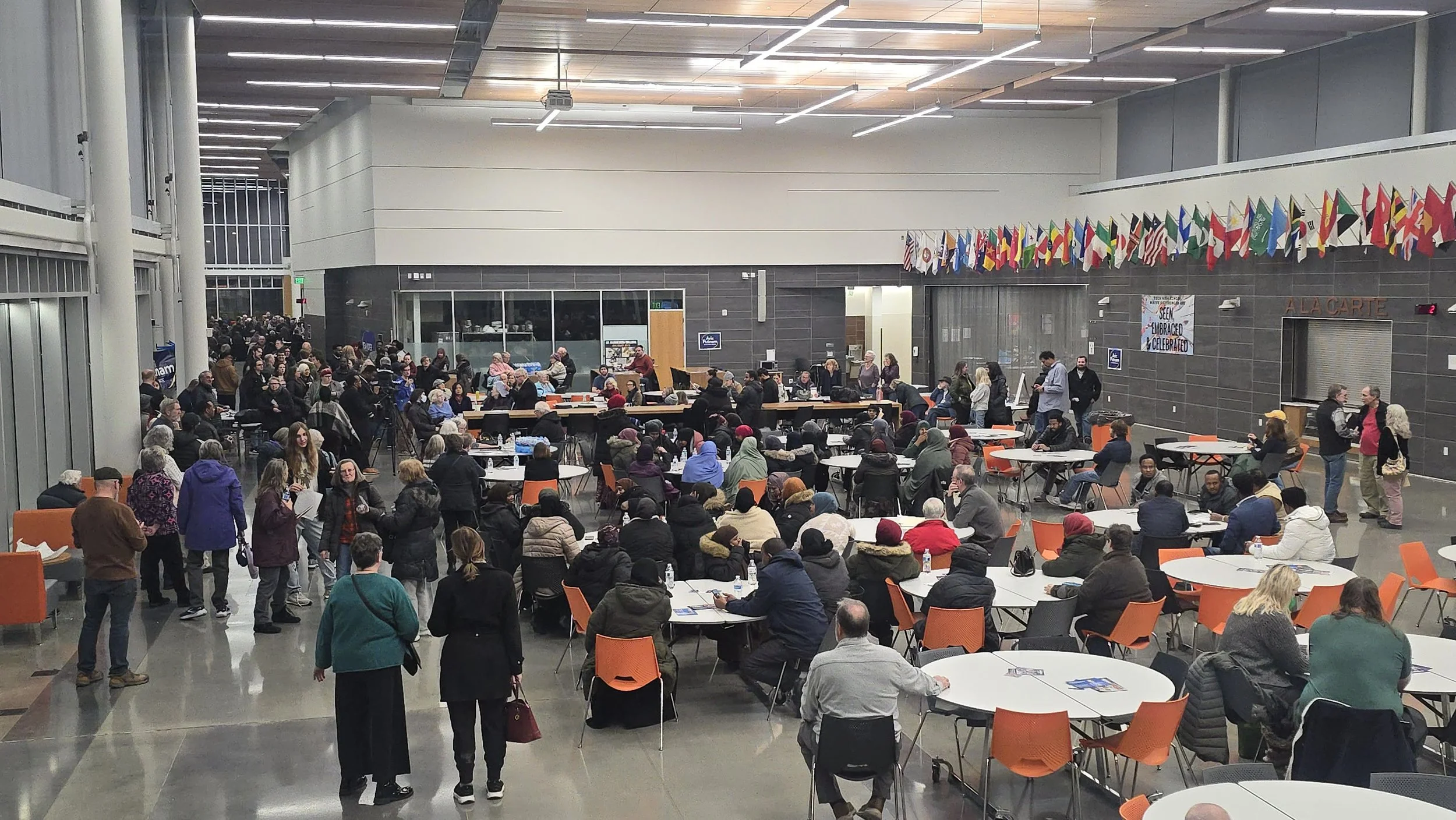
Residents of SD14 meeting on February 3rd for statewide precinct caucus night
From there, delegates can be selected to move up to a congressional district convention. Select delegates of SD14 move on to the CD6 Convention (happening Saturday, April 25th!). Members ther will be selected to represent us beyond that, at the state convention.
What it means to skip the DFL endorsement
What happens when a candidate decides to skip the endorsement process, or runs in the primary after losing it?
This can happen, and it's worth understanding what it means and what it doesn't.
When a candidate bypasses the endorsement and goes straight to the primary, they're making a calculated choice. Maybe they ran for the endorsement and didn't get it. Maybe they decided the convention route wasn't worth the effort. Either way, they're betting that they can win enough votes from the broader primary electorate without the party's organizational backing.
That's not automatically disqualifying. Primaries are democratic, and any registered voter can participate in one. But it does raise a question worth considering: if the people most engaged in the party looked at this candidate and didn't get to 60 percent, why not?
Sometimes the answer is complicated, and sometimes it's all down to a matter of timing for candidates who are late entries into the race. Either way, the endorsement process gives you one more data point when you're trying to figure out who a candidate actually is and what they actually stand for.